Steel Detailing Industry Embraces Digital Innovation Amid Growing Infrastructure Demands
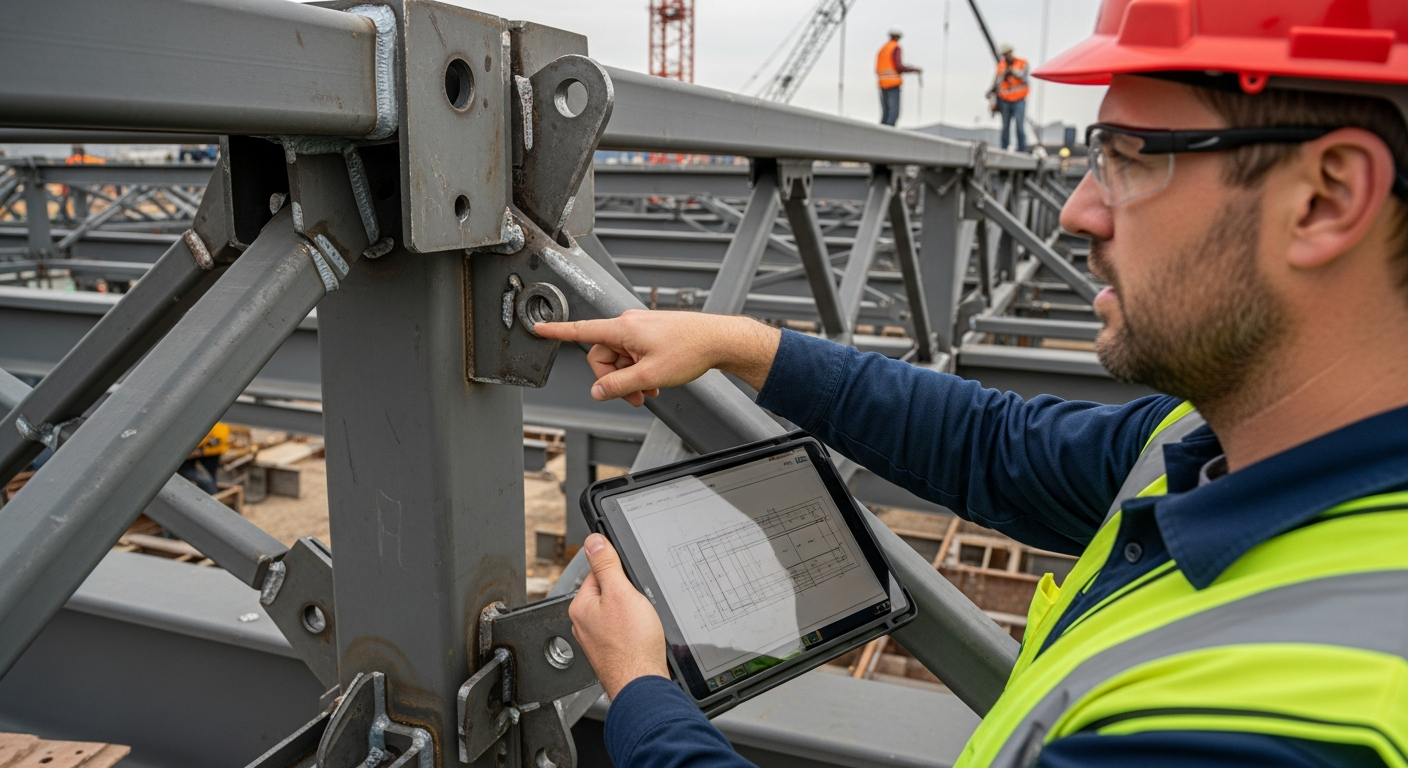
Steel Detailing Industry Embraces Digital Innovation Amid Growing Infrastructure Demands
The steel detailing industry is experiencing unprecedented transformation as construction companies nationwide grapple with complex infrastructure projects and an evolving technological landscape. Steel detailers, the unsung architects of structural integrity, are finding themselves at the center of a digital revolution that promises to reshape how buildings and bridges are designed and constructed.
Steel detailing, the specialized process of creating comprehensive drawings and fabrication instructions for structural steel components, has traditionally relied on manual drafting techniques and two-dimensional blueprints. However, the industry is rapidly shifting toward Building Information Modeling (BIM) and three-dimensional design software, fundamentally altering how professionals approach their craft.
According to industry analysts, the demand for skilled steel detailers has surged by approximately 15 percent over the past three years, driven primarily by federal infrastructure investments and a robust commercial construction market. The Infrastructure Investment and Jobs Act has allocated billions of dollars toward bridge repairs, highway improvements, and public works projects, creating a substantial need for precise structural steel planning.
"The level of complexity in today's projects requires detailers who can think in three dimensions while maintaining absolute precision," says Maria Rodriguez, president of the American Institute of Steel Construction's detailing committee. "We're not just drawing anymore; we're creating digital twins of structures before they're built."
The integration of advanced software platforms such as Tekla Structures, AutoCAD, and Revit has revolutionized the profession. These tools enable detailers to create highly accurate 3D models that can detect potential conflicts before construction begins, reducing costly delays and material waste. The technology also facilitates better communication between architects, engineers, fabricators, and construction crews.
Despite technological advances, the industry faces significant workforce challenges. Many experienced detailers are approaching retirement, while younger professionals often lack the comprehensive understanding of structural engineering principles that the role demands. Community colleges and technical schools are responding by developing specialized programs that combine traditional drafting skills with modern software training.
The COVID-19 pandemic initially disrupted the industry, but it also accelerated the adoption of remote work capabilities and cloud-based collaboration tools. Many detailing firms discovered they could maintain productivity while offering flexible work arrangements, making the profession more attractive to a broader talent pool.
Quality control remains paramount in steel detailing, where minor errors can result in structural failures or costly rework. The industry maintains strict standards for accuracy, with experienced detailers typically checking every drawing before release to fabricators. This emphasis on precision has led to the development of automated checking systems that can identify potential issues in digital models.
Environmental considerations are also influencing the profession. Sustainable construction practices require detailers to optimize material usage and consider the lifecycle impact of steel structures. Advanced modeling software now includes features that help minimize waste and support green building certification requirements.
The economic outlook for steel detailing appears robust, with construction industry forecasts predicting continued growth through 2025. Major metropolitan areas, particularly in the South and West, are experiencing significant commercial development, creating steady demand for detailing services.
"This is an exciting time to be in steel detailing," notes James Chen, a senior detailer with 20 years of experience. "The tools we have now allow us to solve problems we couldn't even visualize a decade ago."
As the construction industry continues evolving, steel detailers must balance traditional craftsmanship with cutting-edge technology. Those who successfully navigate this transition will find themselves well-positioned in a profession that remains essential to the built environment. The future of steel detailing lies not just in technical proficiency, but in the ability to adapt to new methodologies while maintaining the precision and attention to detail that ensures structural safety and integrity.