Steel Detailing Industry Embraces Digital Revolution as Construction Demand Surges
Steel Detailing Industry Embraces Digital Revolution as Construction Demand Surges
The steel detailing sector is experiencing unprecedented growth as construction projects worldwide increasingly rely on advanced digital technologies to streamline complex structural design processes. This specialized field, which creates precise technical drawings and models for steel fabrication, has become a critical component in modern construction, with industry experts predicting continued expansion through 2025.
Steel detailing involves the creation of comprehensive shop drawings, erection plans, and material lists that guide fabricators and construction crews in assembling steel structures. From skyscrapers to industrial facilities, these detailed specifications ensure structural integrity while optimizing material usage and construction timelines. The profession requires a unique blend of engineering knowledge, technical drawing skills, and familiarity with building codes and industry standards.
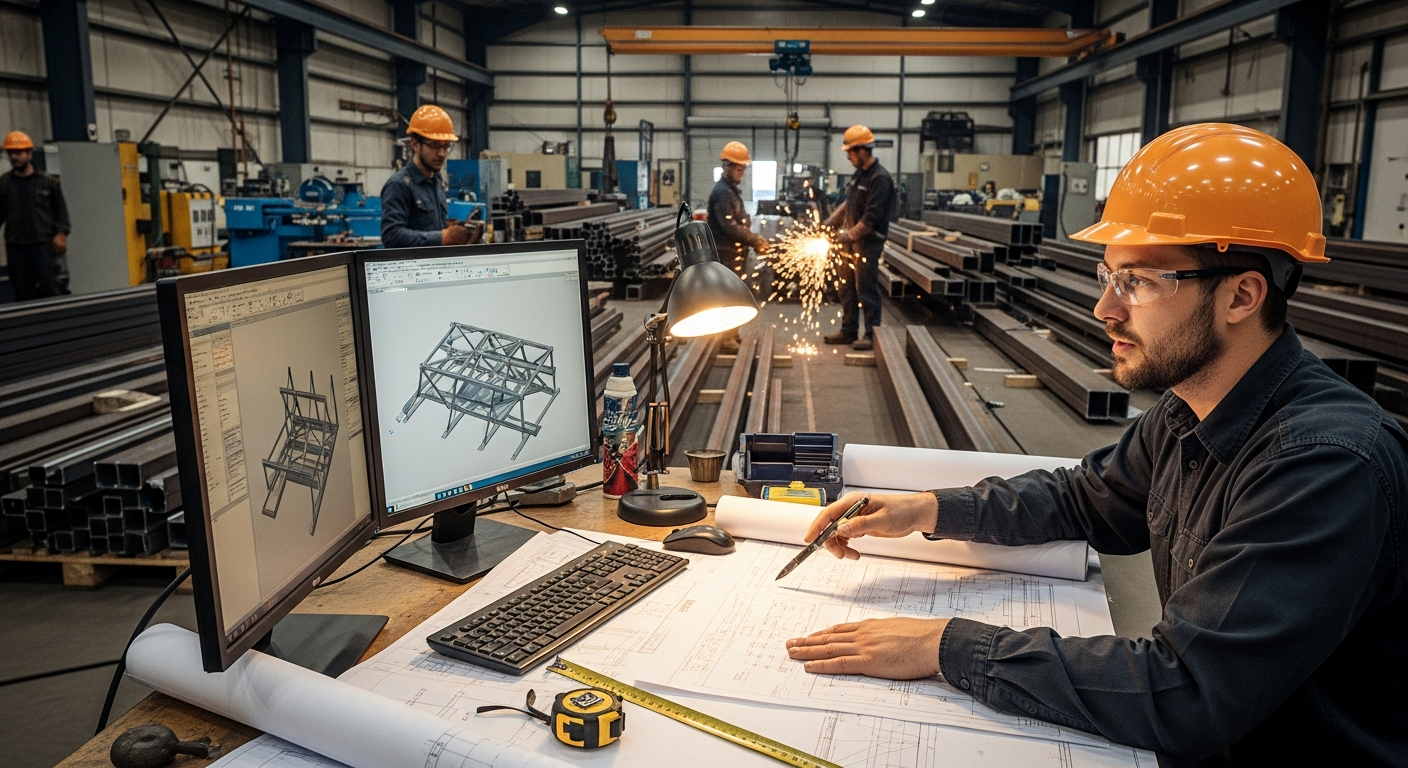
The integration of Building Information Modeling (BIM) technology has revolutionized the steel detailing landscape over the past decade. Software platforms like Tekla Structures, AutoCAD, and SketchUp have enabled detailers to create three-dimensional models that provide unprecedented accuracy and visualization capabilities. This technological shift has reduced errors, minimized material waste, and improved collaboration between architects, engineers, and construction teams.
"The adoption of 3D modeling and BIM has transformed how we approach steel detailing projects. We can now identify potential conflicts and resolve design issues before fabrication begins, saving both time and money for our clients," said Maria Rodriguez, a senior steel detailer at a prominent structural engineering firm in Chicago.
The global steel detailing services market has experienced robust growth, driven by increasing infrastructure development and urbanization initiatives. Emerging markets in Asia-Pacific and Latin America have become significant contributors to this expansion, with countries like India, China, and Brazil investing heavily in transportation networks, commercial buildings, and industrial facilities that require extensive steel framework.
Labor market dynamics within the steel detailing industry reflect broader trends affecting skilled technical professions. While demand for qualified detailers continues to rise, many companies report challenges in recruiting experienced professionals. This shortage has prompted industry organizations to develop training programs and apprenticeships designed to attract new talent and provide pathways for career advancement.
Educational institutions have responded by expanding their computer-aided design curricula and establishing partnerships with steel fabrication companies. Community colleges and technical schools now offer specialized certification programs that combine traditional drafting principles with modern software applications, preparing graduates for immediate entry into the workforce.
Environmental considerations have also influenced steel detailing practices, as sustainability becomes a priority for construction projects. Detailers now incorporate recycled steel specifications and optimize designs to minimize material consumption while maintaining structural performance standards. This focus on green building practices has created new opportunities for professionals who understand both traditional detailing methods and environmental compliance requirements.
The COVID-19 pandemic initially disrupted construction activities globally, but the steel detailing sector demonstrated remarkable resilience through remote work capabilities. Cloud-based software platforms and digital collaboration tools enabled detailers to maintain productivity while working from home, highlighting the profession's adaptability to changing work environments.
Industry analysts project continued growth in steel detailing services, particularly as governments worldwide announce ambitious infrastructure renewal programs. The Biden administration's infrastructure legislation in the United States and similar initiatives in Europe and Asia are expected to generate substantial demand for steel structures and, consequently, detailed fabrication drawings.
As the construction industry evolves toward greater digitization and sustainability, steel detailing professionals who embrace emerging technologies and maintain expertise in traditional structural principles will find themselves well-positioned for career growth. The profession's combination of technical precision, creative problem-solving, and direct impact on the built environment continues to attract skilled professionals seeking meaningful work in a dynamic field.