Steel Detailing: The Hidden Foundation of Modern Construction Excellence
Steel Detailing: The Hidden Foundation of Modern Construction Excellence
As construction projects grow increasingly complex and ambitious, the precision craft of steel detailing has emerged as a critical cornerstone of successful building ventures, yet remains largely invisible to the public eye. This specialized field, which transforms architectural visions into precise technical blueprints for steel fabrication, continues to evolve rapidly alongside advances in digital technology and sustainable construction practices.
Steel detailing involves creating comprehensive technical drawings and specifications that guide the fabrication and erection of steel structures. These detailed plans serve as the crucial bridge between an architect's conceptual designs and the physical reality of construction, ensuring every beam, column, and connection is precisely positioned and properly engineered.
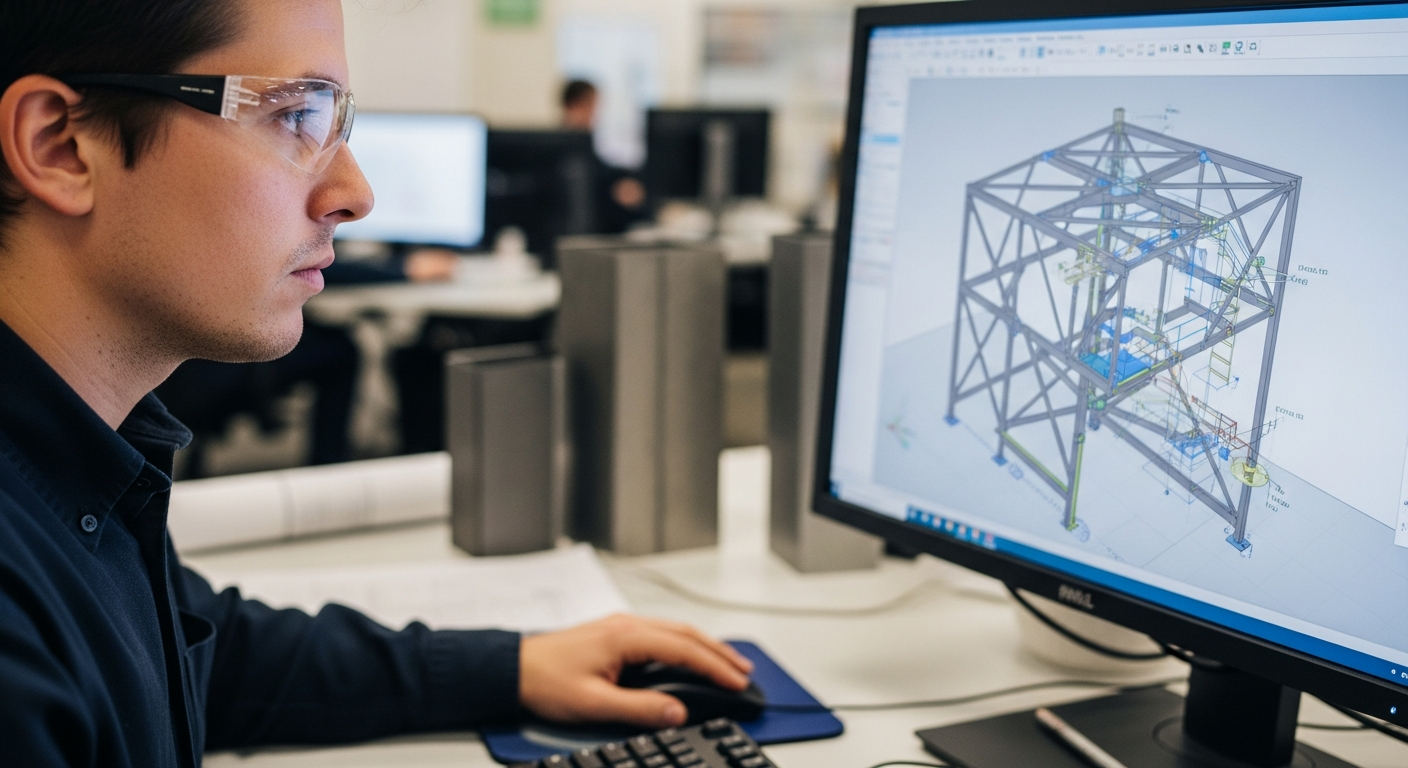
The industry has witnessed dramatic transformation over the past decade, driven primarily by the widespread adoption of Building Information Modeling (BIM) technology. Modern steel detailers now work with sophisticated 3D modeling software that allows for unprecedented accuracy and coordination between different construction trades. This technological revolution has significantly reduced errors, minimized material waste, and shortened project timelines.
"The precision we can achieve today with digital tools would have been impossible just ten years ago," explains Maria Rodriguez, a senior steel detailer with over fifteen years of experience. "We're catching potential conflicts and issues in the virtual environment before they become costly problems on the construction site."
The economic impact of quality steel detailing extends far beyond the initial design phase. According to industry studies, accurate steel detailing can reduce construction costs by up to 15 percent through improved material efficiency and reduced rework. In an era where construction budgets face increasing pressure, this precision becomes invaluable for project success.
However, the industry faces significant challenges, particularly in workforce development. As experienced detailers approach retirement, companies struggle to find qualified replacements. The specialized knowledge required for steel detailing – combining engineering principles, construction methods, and advanced software skills – demands extensive training and experience that many educational institutions are not equipped to provide.
Several major construction firms have responded by developing in-house training programs and partnering with technical colleges to create specialized curricula. These initiatives aim to attract younger professionals to a field that offers strong career prospects and competitive compensation, with experienced steel detailers often earning salaries comparable to licensed engineers.
The push toward sustainable construction has also elevated the importance of steel detailing. As architects and engineers seek to minimize environmental impact through optimized material usage and enhanced structural efficiency, the role of detailers in achieving these goals becomes increasingly critical. Precise detailing enables the use of lighter steel sections and more efficient connections, directly contributing to reduced carbon footprints.
International projects have added another layer of complexity to modern steel detailing. As construction companies operate across borders, detailers must navigate varying building codes, measurement systems, and fabrication standards. This globalization has created demand for detailers with multicultural expertise and familiarity with international construction practices.
The integration of artificial intelligence and machine learning into detailing software represents the next frontier for the industry. These technologies promise to automate routine tasks, identify optimal structural solutions, and further reduce the potential for human error in complex projects.
Looking ahead, steel detailing will likely become even more integrated with other construction disciplines through advanced digital platforms that enable real-time collaboration between architects, engineers, fabricators, and contractors. This evolution positions steel detailers not merely as technical specialists, but as key coordinators in the increasingly complex ecosystem of modern construction.
As cities continue to grow skyward and infrastructure demands intensify globally, the precision and expertise of steel detailers will remain fundamental to building the safe, efficient, and sustainable structures that define our modern world.