Steel Detailing: The Unsung Hero of Modern Construction
Steel Detailing: The Unsung Hero of Modern Construction
In the towering skyscrapers that define city skylines and the sprawling industrial complexes that drive economic growth, steel detailing serves as the critical bridge between architectural vision and structural reality. This specialized field, often operating behind the scenes, has become increasingly vital as construction projects grow more complex and demand greater precision in an era of technological advancement.
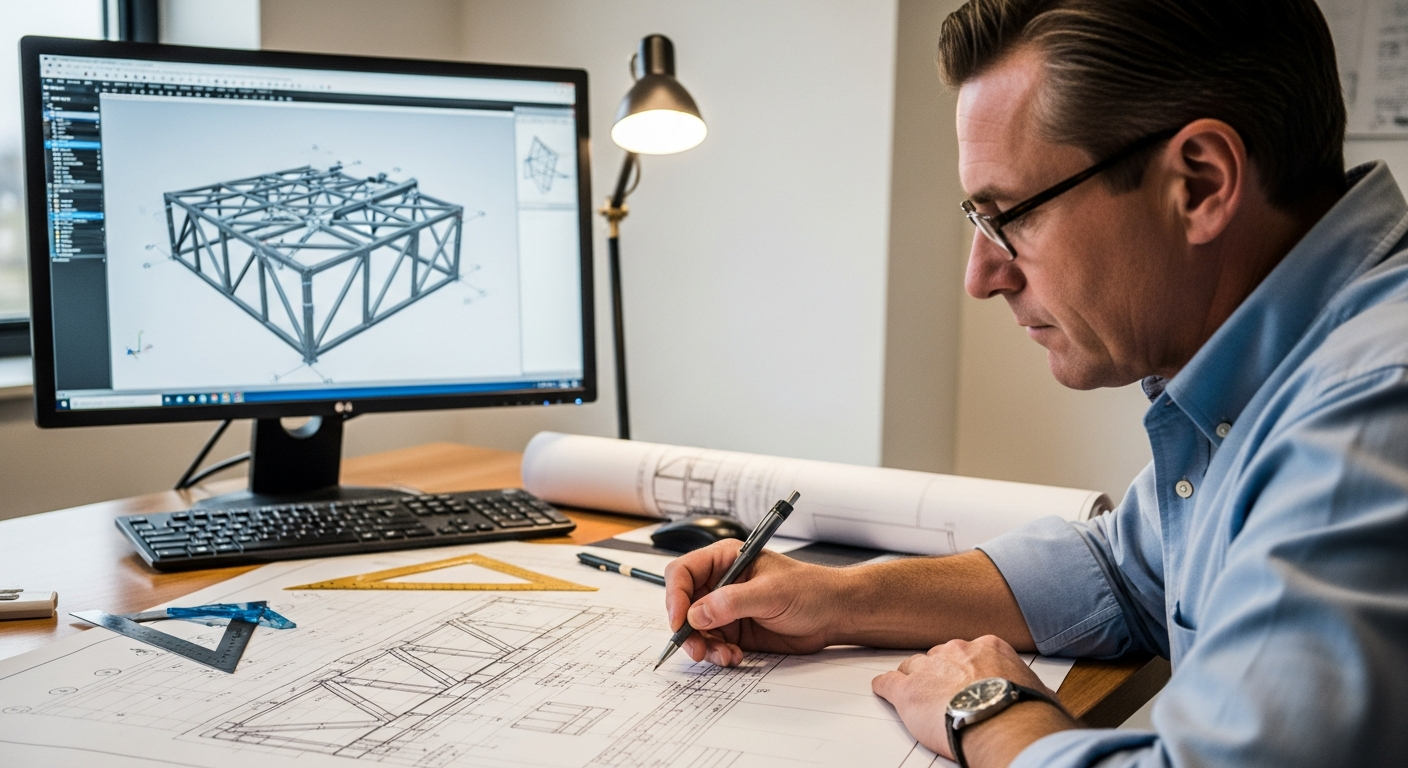
Steel detailing involves creating comprehensive technical drawings and specifications that guide the fabrication and erection of steel structures. These detailed plans serve as blueprints for steel fabricators, providing exact dimensions, connection details, material specifications, and assembly sequences necessary to transform raw steel into the skeletal framework of buildings, bridges, and industrial facilities.
The profession has undergone significant transformation in recent decades, evolving from traditional hand-drawn blueprints to sophisticated computer-aided design systems. Modern steel detailers now utilize advanced Building Information Modeling (BIM) software, three-dimensional modeling tools, and automated detailing systems that enhance accuracy while reducing project timelines.
"The precision required in steel detailing has never been higher," explains Sarah Martinez, a senior structural engineer with 20 years of industry experience. "A single miscalculation or oversight can result in costly delays, material waste, and potentially dangerous structural compromises."
The demand for skilled steel detailers has surged alongside the global construction boom, particularly in emerging markets and urban centers experiencing rapid development. According to industry reports, the steel detailing services market has grown consistently over the past five years, driven by increased infrastructure spending, commercial construction projects, and the expansion of industrial facilities.
However, the industry faces significant challenges, including a shortage of experienced professionals and the need for continuous technological adaptation. Many seasoned detailers are approaching retirement age, while younger professionals often gravitate toward other engineering disciplines, creating a skills gap that threatens project delivery timelines.
Educational institutions and professional organizations have responded by developing specialized training programs and certification courses. These initiatives focus on both traditional detailing principles and cutting-edge technologies, ensuring that new entrants possess the comprehensive skill set required in today's market.
The integration of artificial intelligence and machine learning into detailing software represents the next frontier for the industry. These technologies promise to automate routine tasks, identify potential design conflicts before construction begins, and optimize material usage for cost efficiency and environmental sustainability.
Quality control remains paramount in steel detailing, as errors can cascade through the entire construction process. Leading firms have implemented multi-tier review processes, utilizing both human expertise and software-based checking systems to ensure accuracy. This emphasis on precision has become a key differentiator in an increasingly competitive marketplace.
The COVID-19 pandemic has also influenced the industry, accelerating the adoption of remote work capabilities and cloud-based collaboration tools. Many detailing firms discovered that their work could be performed effectively from distributed locations, opening new possibilities for global talent acquisition and project collaboration.
Environmental considerations are increasingly shaping steel detailing practices. Detailers now must consider sustainability factors, including material optimization, recyclability, and energy efficiency in their designs. This shift reflects broader industry trends toward green construction and carbon footprint reduction.
Looking ahead, the steel detailing industry appears poised for continued growth, driven by ongoing infrastructure needs and technological innovation. Success in this field will increasingly depend on embracing new technologies while maintaining the fundamental precision and attention to detail that have always defined quality work.
As construction projects become more ambitious and complex, steel detailing will remain an essential component of successful project delivery. The professionals who master both traditional skills and emerging technologies will find themselves at the forefront of shaping the built environment for generations to come.