The Hidden Art of Steel Detailing: Why This Specialized Craft Remains Critical to Modern Construction
The Hidden Art of Steel Detailing: Why This Specialized Craft Remains Critical to Modern Construction
In the towering skyscrapers of Manhattan and the sprawling industrial complexes across America, steel forms the invisible backbone that holds our modern world together. Yet behind every structural steel beam lies an intricate process that most people never see: steel detailing, a specialized craft that translates architectural dreams into buildable reality through precise technical drawings and specifications.
Steel detailing serves as the crucial bridge between architectural vision and construction execution. This meticulous process involves creating comprehensive shop drawings, connection details, and fabrication instructions that steel fabricators use to cut, shape, and assemble structural components. Without accurate steel detailing, even the most innovative architectural design would remain nothing more than an unrealized concept.
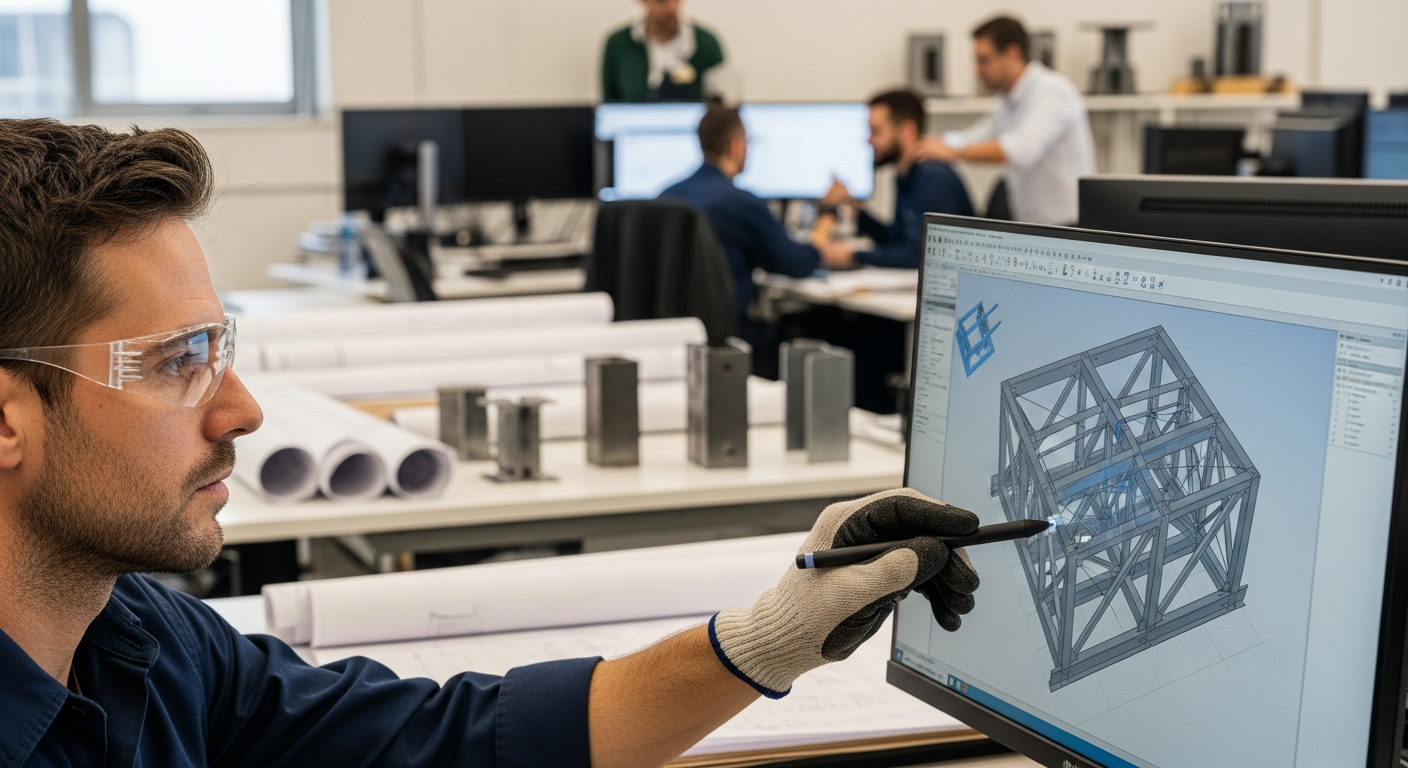
The profession has evolved dramatically over the past several decades, transforming from a purely manual drafting process to a sophisticated digital discipline. Modern steel detailers now utilize advanced software such as Tekla Structures, AutoCAD, and Building Information Modeling (BIM) platforms to create three-dimensional models that can identify potential conflicts before construction begins. This technological revolution has significantly improved accuracy while reducing costly field modifications and construction delays.
According to industry professionals, the demand for skilled steel detailers continues to outpace supply, creating opportunities for both seasoned veterans and newcomers to the field. The American Institute of Steel Construction reports that the structural steel industry supports thousands of detailing jobs nationwide, with compensation often exceeding that of traditional drafting positions due to the specialized knowledge required.
"Steel detailing is equal parts engineering, artistry, and problem-solving," explains Maria Rodriguez, a senior steel detailer with over 15 years of experience. "Every project presents unique challenges that require creative solutions while maintaining absolute precision. A single miscalculation can impact an entire construction timeline."
The complexity of modern construction projects has elevated the importance of steel detailing beyond simple documentation. Today's detailers must understand building codes, fabrication processes, erection sequences, and material properties. They work closely with structural engineers, architects, and contractors to ensure that design intent translates into constructible reality while optimizing material usage and construction efficiency.
Industry challenges include an aging workforce and the need for continuous education as technology advances. Many experienced detailers are approaching retirement, while younger professionals must master increasingly sophisticated software tools and stay current with evolving building standards and sustainability requirements.
The rise of prefabrication and modular construction has further emphasized the critical role of steel detailing. As construction moves toward factory-controlled environments, the accuracy of shop drawings becomes paramount. Detailed fabrication drawings must account for transportation constraints, assembly sequences, and field connection requirements with unprecedented precision.
Educational institutions and professional organizations have responded by developing specialized training programs that combine traditional drafting skills with modern technology. Community colleges across the country now offer steel detailing certificates, while online platforms provide flexible learning opportunities for career changers and working professionals seeking advancement.
Environmental considerations have also influenced the steel detailing profession. Detailers increasingly focus on optimizing material usage, specifying recycled content, and designing connections that facilitate future disassembly and reuse. This sustainability focus aligns with broader construction industry trends toward circular economy principles.
As construction technology continues advancing with artificial intelligence and automated fabrication systems, steel detailing adapts rather than diminishes in importance. Human expertise remains essential for interpreting design intent, solving complex geometric challenges, and ensuring that automated systems produce accurate results.
The steel detailing profession stands at an inflection point, balancing traditional craftsmanship with cutting-edge technology. For those considering this career path, opportunities abound in a field that combines technical precision with creative problem-solving, supporting the infrastructure that defines our modern landscape while offering stable, well-compensated employment in an essential industry.